
Everyday self-care habits
Hydration, sleep, stress management, ergonomics and movement breaks are the small, repeatable habits that keep a male wellness routine steady. This page collects the ones you can start this week in Jakarta — no outcomes promised, just the ordinary furniture of a routine.
Start here
Five habits that hold the rest of a routine together
None of these are exercises on their own. They are the conditions that make pelvic floor work, posture work and breathing work easier to keep doing — especially on the days when a full session does not fit.
Drink before you feel thirsty
Keep a glass or bottle where you already sit — desk, bedside, kitchen counter. Two or three sips at each hour mark is easier to remember than a large bottle at the end of the day. Hot, humid days in Jakarta make this the first habit to check.
Same bedtime, within the hour
A steady sleep window matters more than a perfect one. Pick a range you can actually keep on weekdays, then let the weekend drift by no more than an hour. Dim the room in the last thirty minutes and leave the phone outside arm's reach.
Two slow minutes between meetings
Sit, drop the shoulders, and breathe out longer than you breathe in — a slow count of four in, six out, for eight rounds. It is the same relaxed breath used in the core work, just without the exercise. Do it after a long call or before you leave the office.
Feet flat, screen at eye line
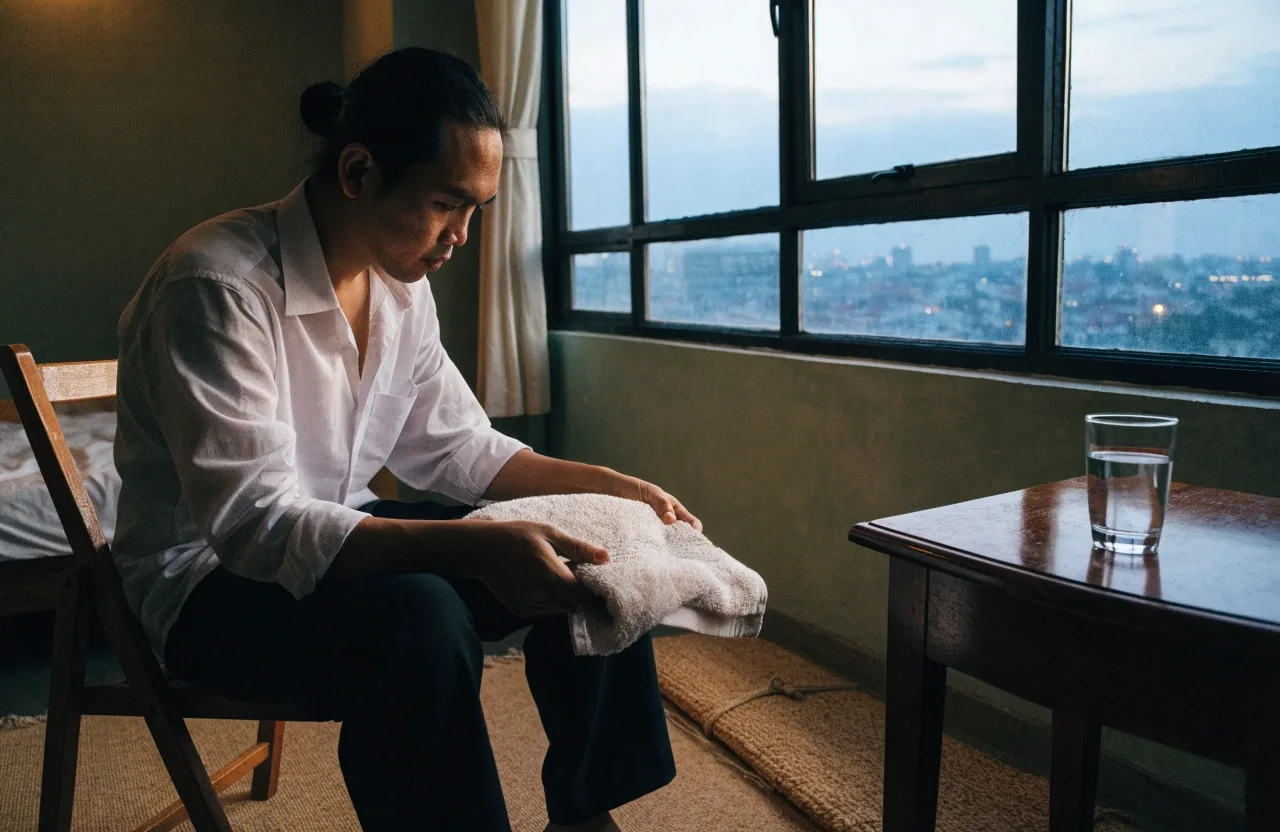
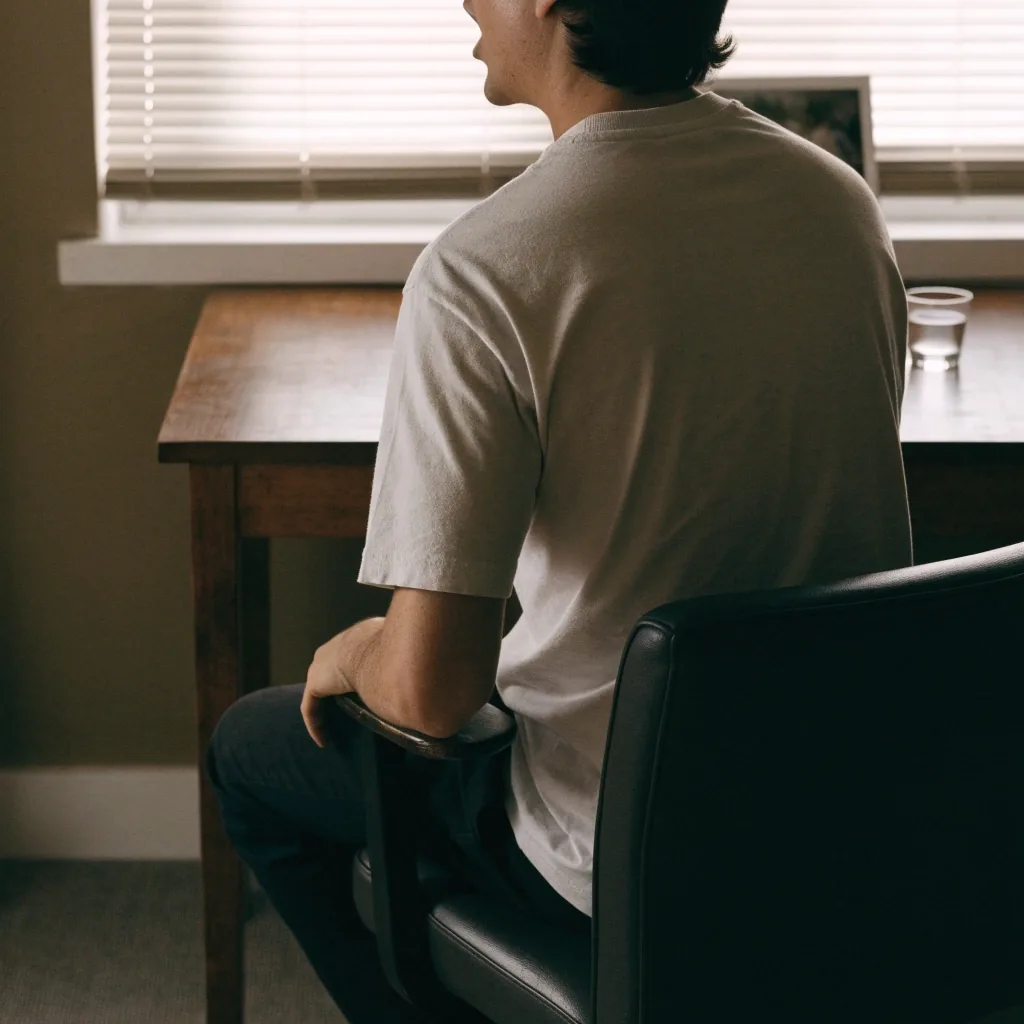
Raise the screen so the top third sits at eye level, keep both feet on the floor, and let the elbows rest near a right angle. If your chair has no support, a folded towel behind the lower back is enough to stop the slouch that makes a long sitting day feel heavy.
Stand once every working hour
Set a soft reminder, then stand, walk to refill your water, and roll the shoulders back once. Two minutes is enough. The point is not to exercise at your desk — it is to break up the long stretch of sitting that makes the pelvic floor and lower back tighten without you noticing.
Where these habits sit around the actual work
Habits are easier to keep when they are attached to something you already do. Water on waking and before lunch. Two slow minutes after the longest call of the day. A stand-and-stretch at the top of each hour. Kegel and core work on the days that suit you, per the Kegel Basics for Men and Daily Routine Builder pages.
Evenings do the quiet half of the work: a short walk, a lighter screen, a fixed bedtime, and the phone left on the desk rather than by the pillow. The routine that survives is usually the least dramatic one.
Hydration and sleep
The two habits that carry the most weight
Of the five, these two tend to move the needle fastest for how a day feels. Both are also the easiest to slide on during a busy week in Jakarta traffic.
Water keeps everything from muscle recovery to concentration in a steady state, and a regular sleep window gives the body a predictable stretch for rest. Neither is complicated; both are quiet and cumulative.
Water, in practice
- One full glass on waking, before coffee.
- A bottle at the desk, refilled once in the afternoon.
- A little more on days you walk or train in the heat.
- Ease off in the last hour before bed if nights are broken.
Sleep, in practice
- One bedtime, kept to within about an hour.
- The last thirty minutes dimmed, no bright screens.
- Room cool enough to sleep through, curtains drawn.
- Phone on the desk, not the bedside table.
See also: the relaxed breathing covered in Posture, Breathing & Core.
What it looks like
Ordinary scenes, not a transformation
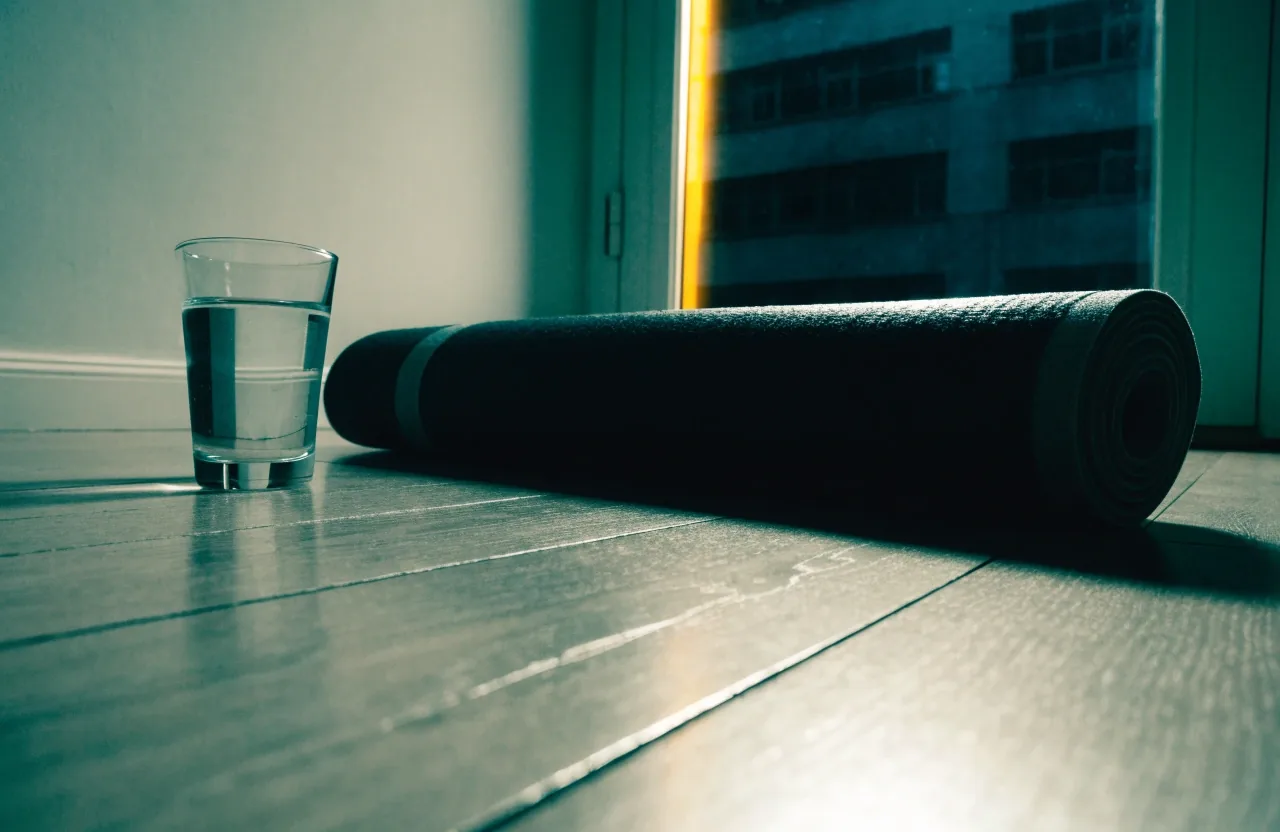
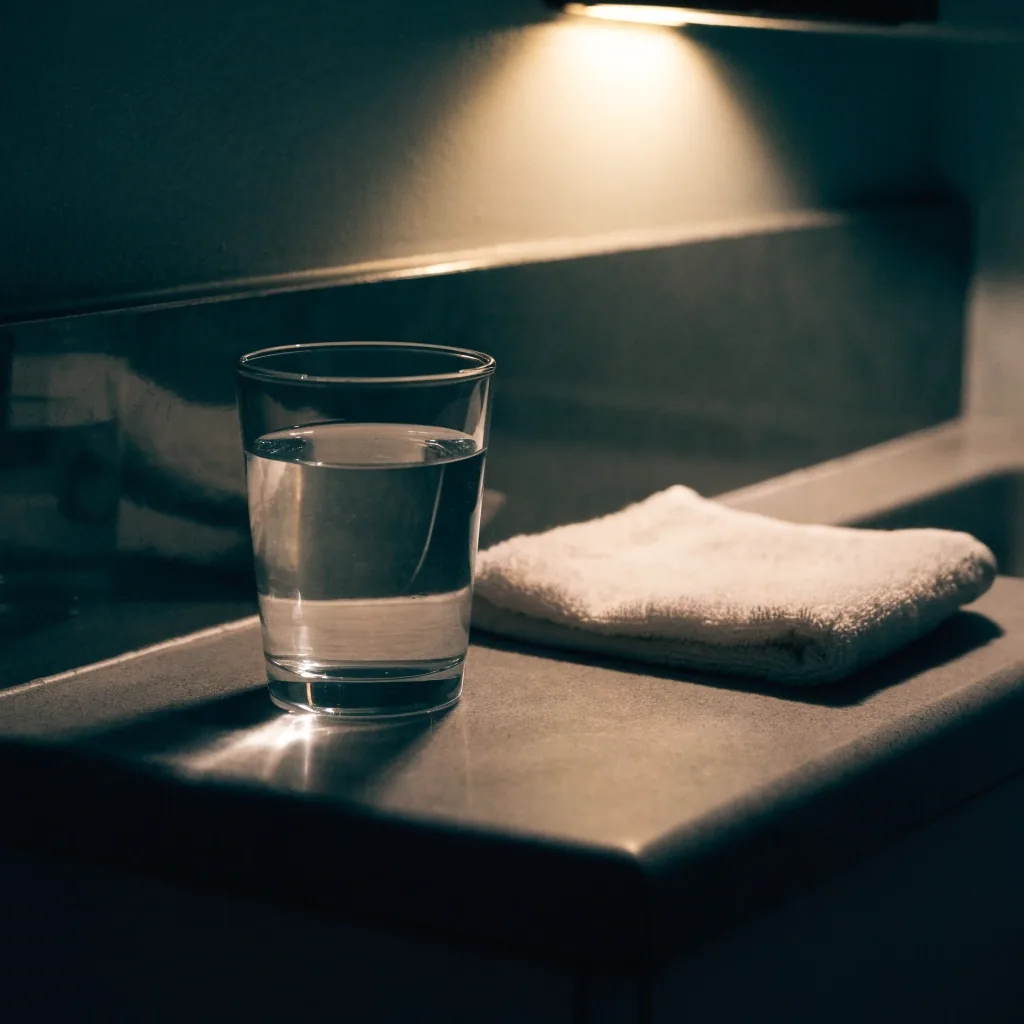
These are the small settings where the habits actually happen. Nothing here is a result, and none of it is a benchmark — just the places a routine lives in.


How these habits connect to the rest of the site
Self-care habits do not replace pelvic floor work or breathing practice; they make those easier to keep up. If you are building a routine from scratch, start with the daily routine builder and come back here for the supporting habits.
Habits are not a lever you pull once. They are small, repeatable choices that hold a routine steady over months — and the routine is what most people find easier to keep than a burst of effort.
If something in your routine feels off, or a habit is proving hard to keep, that is worth a conversation rather than a guess. Reach out through the Contact page, or review the Common Questions page for the ones we get most often.
Questions we hear about everyday habits
Short, practical answers. Nothing here is a promise, and nothing replaces a proper conversation with a qualified professional if something feels wrong.
How long before a habit feels automatic?
It varies from person to person and habit to habit. Attaching the new habit to something you already do — a meal, a commute, a call — is usually what makes it stick sooner than trying to remember it on its own.
Can I start with just one of the five habits?
Yes, and it is usually the better way to begin. Pick the one that costs you the least friction — often water or the hourly stand — and let it settle for a couple of weeks before adding another.
Do these habits replace pelvic floor exercises?
No. They sit alongside them. The habits — sleep, hydration, stress management, ergonomics, movement breaks — make the pelvic floor, posture and breathing work easier to keep up, but they are not a substitute for it.
What should I do if a habit feels uncomfortable?
Ease back and note what changed — time of day, posture, how much water you had. If something persists or worries you, talk it through with a qualified professional rather than pushing on. This site is educational and does not provide individual guidance.
Where can I read more about the routine itself?
The Daily Routine Builder covers how to plan a week, and Kegel Basics for Men covers where to begin with the pelvic floor work itself.
Pick one habit and give it two weeks
Choose water, sleep, a stress reset, a desk adjustment or an hourly stand. Keep it for a fortnight before adding the next one. If you would like help working it into a weekly plan, the daily routine builder is the right place to start.
Reach the team
- Address
- Jl. Kemang Raya No. 18, Jakarta Selatan, DKI Jakarta 12730, Indonesia
- Hours
- Monday to Friday, 9:00 AM – 6:00 PM (WIB)
- Phone
- +62 21 584 7721
- [email protected]
This page is educational and informational only. It is not medical advice and makes no promises of any outcome. For anything that worries you, speak with a qualified professional.